
Beschreibung
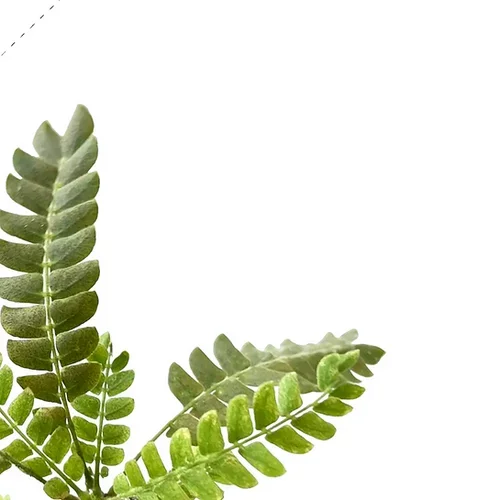
Philodendron holtonianum – Rare Tri-Lobed Aroid with Transitional Foliage ● ‚Holtonianum‘ Philodendron – Leaf Development, Morphology and Growth HabitPhilodendron holtonianum is a rare, undescribed aroid species currently circulating under a provisional name. Previously believed to be a variation of Philodendron tripartitum, this plant displays a dramatic transformation from narrow, strap-like juvenile leaves into broad, tri-lobed mature foliage. As each new leaf forms, the side lobes become increasingly defined — evolving from a simple blade into the full tripartite form characteristic of mature plants.This species grows as an epiphyte in nature, using aerial roots to climb and attach itself to tree trunks. Indoors, it brings a dynamic visual progression, making it a favorite among collectors who enjoy watching their plants change over time. ● Key features and leaf structureJuvenile leaves: Strap-shaped, narrow, and entire (no lobes)Mature leaves: Deeply lobed with 3 distinct blade segmentsTexture: Very thinly coriaceous (leathery) but flexibleGrowth type: Climbing epiphyte with elongating internodesIndoor size: Vines can reach 1 – 2 m with support ● Natural origin and growth patternThis plant is assumed to originate from tropical lowland forests in Central or northern South America, where it grows epiphytically in moist, filtered-light environments. Although it was once grouped with Philodendron tripartitum, its leaf texture, transformation pattern, and overall growth form suggest it is a distinct species. The name ‚holtonianum‘ is used informally until its botanical classification is finalized. Like most philodendrons, it is toxic to pets and humans if ingested. ● Philodendron holtonianum care guideLight: Bright, indirect light encourages strong lobe formationWatering: Allow top 2 – 4 cm of soil to dry before wateringHumidity: Performs best at 60% or higher — supports larger leaf developmentTemperature: 18 – 28 °C preferred — protect from cold and draftsSoil: Light, well-aerated aroid mix with bark, perlite, and coirRepotting: Every 1 – 2 years or when roots begin circling the potFertilising: Feed monthly during active growth with a balanced liquid fertiliserPropagation: Via stem cuttings with nodes and aerial rootsHydroponics: Adapts well to semi-hydro with stable humidityPruning: Minimal — trim old leaves or manage vine length ● Issues you may encounter and how to resolve themLeaves not splitting: This is normal in juvenile plants — allow time and consistent careDrooping growth: Lack of support — attach to a moss pole to guide upward growthLeaf curl or crisp edges: Often due to low humidity or dry substratePests (spider mites, thrips): Inspect leaf undersides; treat early with neem oil or soapRoot issues: Use airy substrate to prevent rot; water only when top layer is dry ● Extra notes for successful cultivationSupport is key — this species climbs naturally, and its leaf shape improves with vertical growth. Attach it to a moss pole or coir to help it develop mature foliage faster. Avoid overpotting, and focus on high humidity and bright, filtered light. Watching Philodendron holtonianum transition from juvenile to tri-lobed form is one of the most rewarding parts of owning this plant — let it grow at its own pace, and the transformation will come. ● Etymology and naming notePhilodendron is derived from Greek — „philo“ (loving) and „dendron“ (tree), referring to the genus’s climbing nature. The name ‚holtonianum‘ is provisional and not yet accepted in formal botanical nomenclature. It is used informally within collector and nursery circles until a full speciesis published. ● FAQs about Philodendron holtonianumIs this a real species? It is not yet officially described. The name is provisional and used within the collector community.How long until the leaves develop lobes? It depends on conditions and maturity — typically after several nodes and good light.Does it need a support pole? Yes — vertical growth helps it mature and encourages lobed leaf development.Order today and grow Philodendron holtonianum — a rare, shape-shifting epiphyte with evolving leaves and collector intrigue.Philodendron holtonianum: Graceful leaves with unique shape
Rezensionen
Es gibt noch keine Rezensionen.