
Beschreibung
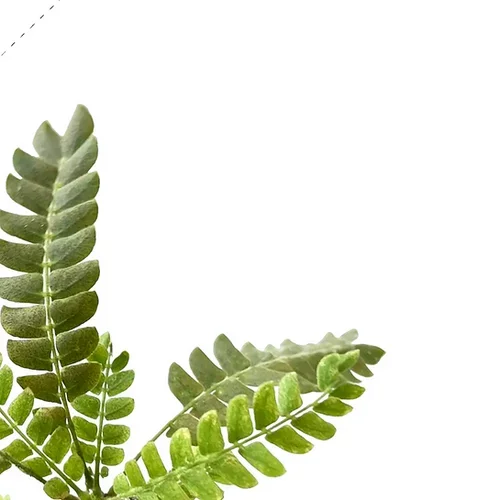
Buy Anthurium pedatum – Rare Tropical Species with Unique Leaf ShapeAnthurium pedatum looks like nature’s own abstract sculpture: its deeply lobed, finger-like leaves spread out like an open hand or the claw of a tropical bird. Glossy, leathery, and vibrant green, each leaf is supported by a long, rounded petiole that can reach up to 75 cm in length. In mature specimens, the central lobe may become strongly wavy or even split, adding a wild, untamed elegance to its form. The persistent reddish-brown fiber sheaths from old cataphylls give the plant an added architectural element. With a compact terrestrial growth habit and slow to moderate pace, this species brings structured drama to any indoor collection — without overwhelming the space. ● Key Features and Leaf CharacteristicsFoliage: Glossy, leathery leaves divided into 9 – 13 radiating segmentsSegment Shape: Central lobe often deeply undulated or even pandurate in large plantsPetiole Length: Rounded green petioles up to 75 cm longGrowth Habit: Compact, terrestrial, with short internodes (2 – 10 mm)Cataphylls: Up to 20 cm, breaking down into reddish fibers that persistInflorescence: Lanceolate yellow-green spathe and hanging purple or green spadix; rare in cultivation ● Native Range and Growth ContextIn the wild, Anthurium pedatum grows terrestrially in moist montane forests across Colombia and neighboring Andean regions, between 350 and 2100 m elevation. These areas experience stable temperatures between 18 – 27 °C and consistently high humidity. The plant thrives in nutrient-rich, well-draining soils under dense forest canopy. Its thick stems (2 – 6 cm wide) and compact, slowly clumping habit make it well suited for indoor growing. All parts of the plant are toxic to humans and pets if ingested. ● How to Care for Anthurium pedatumLight: Bright, indirect light; no harsh sunWatering: Water when the top 10 – 15% of substrate feel dry; avoid standing waterHumidity: 60 – 80% ideal; avoid prolonged low humidityTemperature: Prefers 18 – 27 °C; protect from draftsSubstrate: Loose, well-draining mix with bark, coconut, and perliteRepotting: Every 2 – 3 years or when pot is fully rootedFertilizing: Every 4 – 6 weeks using diluted foliage plant fertilizerHydroponics: Can be grown in mineral substrates like Pon or semi-hydro setupsPropagation: Through rhizome division or clump separation during repottingPruning: Remove old or damaged leaves as needed ● Common Issues and What to DoYellowing leaves: Usually due to overwatering or poor drainageBrown leaf tips: Often caused by low humidity or salt buildupDrooping leaves: Could indicate dehydration or root disturbanceSpots or blemishes: May occur after cold shock or fungal exposurePests: Occasionally affected by spider mites, mealybugs, or thrips — use neem oil or insecticidal soap ● Additional InsightsThis species appreciates consistency. While it doesn’t require a support pole, older plants benefit from gentle staking. Understanding how Anthurium pedatum grows in its native Andean cloud forests — under a protective canopy with steady warmth and humidity — will help you replicate those conditions at home. Mimicking its natural environment isn’t just about care, it’s about unlocking the full potential of its foliage structure and growth rhythm. ● Name Origin and Botanical BackgroundThe genus name Anthurium derives from the Greek „anthos“ (flower) and „oura“ (tail), referring to the prominent spadix. The species name „pedatum“ comes from Latin „pedatus,“ meaning „foot-like,“ describing the lobed, radiating leaf shape. Originally described as Pothos pedatus, the plant was validly published by Carl Sigismund Kunth in 1841. ● Frequently Asked QuestionsWhy are the leaf segments different sizes? Segment size can vary depending on light levels, plant age, and general health — this is perfectly normal.Does Anthurium pedatum need a support stake? While not required, mature plants may benefit from light staking to keep the growth upright.How fast does it grow? Growth is moderate — expect one new leaf every 2 – 3 months under stable conditions.Order your Anthurium pedatum today and bring sculptural rainforest beauty into your space — rare, bold, and full of character.For more care tips, propagation info, and growth guidance, check the full productanytime.Anthurium pedatum – Deeply Lobed Leaves with Wild Symmetry
Rezensionen
Es gibt noch keine Rezensionen.